
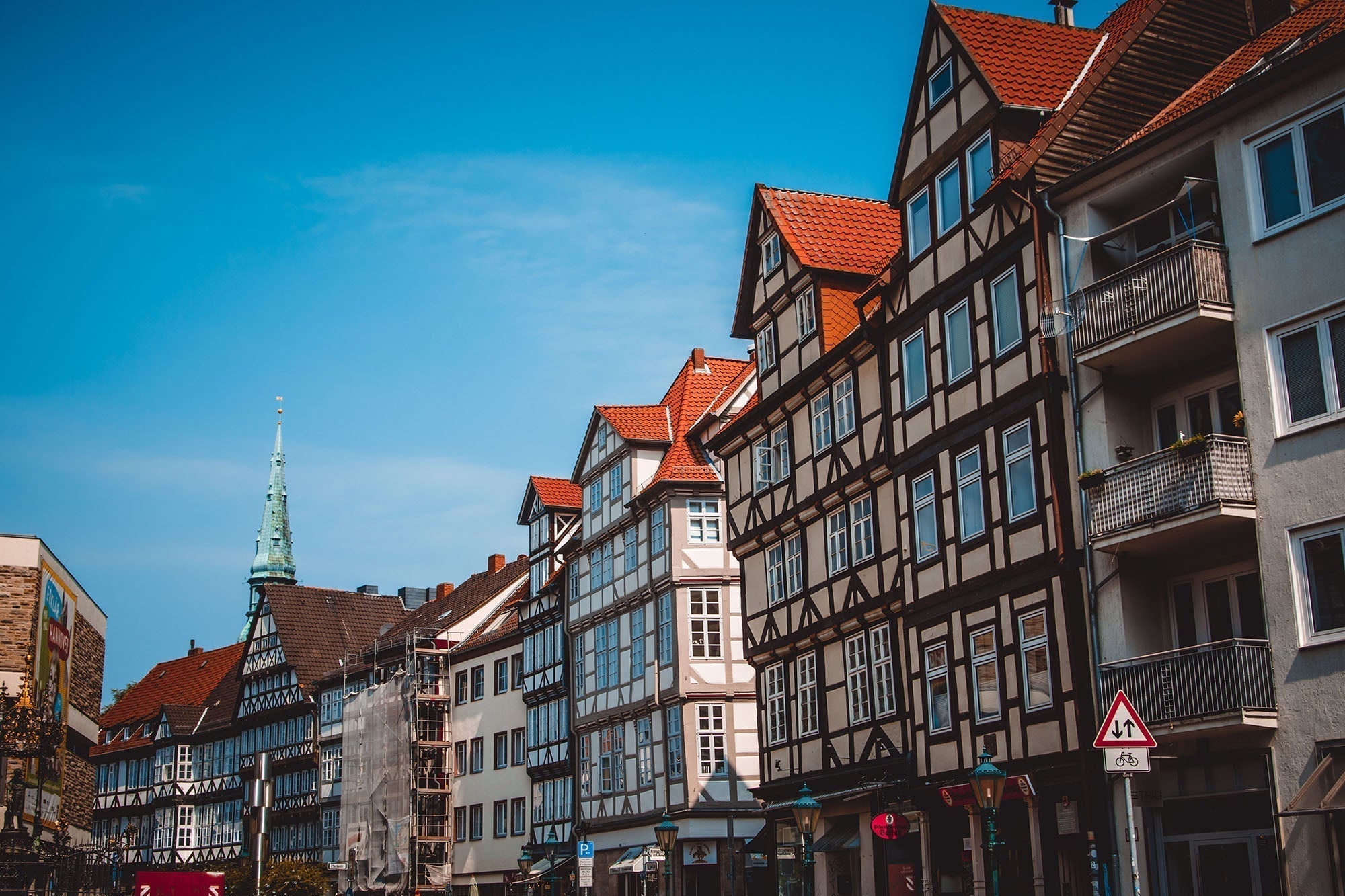
German coffee doesn’t try to impress you with flair or complexity. Instead, it stands apart through ritual, restraint, and reliability. While global coffee trends often focus on bold flavors or cutting-edge techniques, German coffee culture has quietly stayed true to itself.
Filter Coffee Over Espresso

Unlike Italy, where espresso dominates, Germany has long favored filter coffee. Even today, drip coffee remains the most common form of daily consumption.
This preference shapes everything:
-
Larger cups
-
Milder extraction
-
Coffee meant to be sipped slowly
Espresso exists in Germany, but it’s not the default.
Coffee as a Social Event, Not a Utility
In many countries, coffee is fuel. In Germany, it’s an occasion.
Coffee is rarely drunk while walking or commuting. It’s meant to be enjoyed seated, often with company, and frequently with food. This mindset influences both preparation and pacing.
The goal isn’t efficiency — it’s presence.
Consistency Over Experimentation
German coffee culture tends to favor consistency and dependability over constant experimentation. Traditional German roasters often produce:
-
Medium to darker roasts
-
Balanced, low-acidity profiles
-
Familiar flavor notes
While specialty coffee is growing, the broader culture still values coffee that tastes the same every time.
Home Brewing Matters More Than Cafés

Unlike countries where cafés dominate coffee culture, Germany’s coffee identity lives largely at home. Coffee makers, filters, and thermoses are staples in German kitchens.
This home focus explains why German coffee equipment innovations — like paper filters — have had such lasting global impact.
Cakes Matter Almost as Much as Coffee

Coffee in Germany is rarely served alone. Cakes like Black Forest, streuselkuchen, or butter cake are part of the experience.
The pairing matters:
-
Coffee complements sweetness
-
Cake encourages lingering
-
The table becomes the center
Coffee is not the star — the gathering is.
Modern Germany: Tradition Meets Specialty
Today, Germany has a growing specialty coffee scene, especially in cities like Berlin, Hamburg, and Munich. Younger roasters are experimenting with lighter roasts, single origins, and espresso-forward menus.
Still, even modern cafés often reflect traditional values:
-
Comfortable seating
-
Relaxed pace
-
A strong emphasis on staying, not leaving
German coffee evolves slowly — and deliberately.
Why German Coffee Feels Different
German coffee isn’t about extremes. It doesn’t chase trends or demand attention. Its strength lies in reliability, warmth, and ritual.
It’s coffee that asks you to sit down.
To stay awhile.
And to share the moment.
Share:
German Coffee Culture: A History of Tradition, Cake, and Conversation
A Brief History of Instant Coffee: Convenience Changes Everything